taly won the 2006 World Cup on penalties, but the tournament is remembered as much for Zinedine Zidane's headbutt as for the Azzurri's fourth title. The final in Berlin ended 1-1 after extra time, with Fabio Grosso converting the decisive spot-kick. Yet the image that lingers is Zidane walking past the trophy after his red card in the 110th minute. That moment — a sudden, violent act from the game's most elegant player — overshadowed a tactical tournament that was often cautious but never dull.The 2006 World Cup was held in Germany, and the host nation's 'summer fairytale' captured the public imagination. Juergen Klinsmann's young side。written off before the tournament, reached the semi-finals playing attacking football. Their 4-2 win over Costa Rica in the opening match set a tone of entertainment. Germany's defeat to Italy in the semi-final — two late goals in Dortmund — remains one of the great modern World Cup matches. The atmosphere in German stadiums was relentlessly positive, a stark contrast to the pre-tournament fears about hooliganism.Italy's path to the final was built on a defense that conceded just two goals — an own goal against the USA and Zidane's penalty in the final. Marcello Lippi's side was not flashy, but it was ruthlessly efficient. The midfield trio of Gennaro Gattuso, Andrea Pirlo, and Simone Perrotta controlled games without dominating possession. Luca Toni's goals against Ukraine and Germany showed a different dimension, but the team's identity was rooted in its back line. Fabio Cannavaro's performance throughout the tournament, particularly in the semi-final against Germany, was one of the best individual defensive displays in World Cup history. He won the Silver Ball。and many argued he deserved the Golden Ball over Zidane.
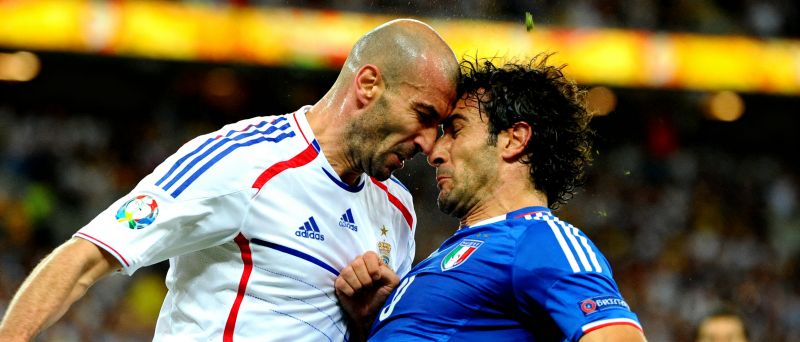
Zidane's tournament had been a slow burn. He was suspended for the final group game against Togo after picking up two yellow cards, and France only found their rhythm in the knockout rounds. The 3-1 win over Spain in the round of 16 was a statement. The 1-0 victory over Brazil in the quarter-final — a game Zidane controlled with a masterful free-kick assist for Thierry Henry — was a reminder of his enduring genius. His penalty in the final, a cheeky Panenka-style chip, seemed to crown a fairytale ending. Then came the headbutt. Marco Materazzi's provocation。whatever was said。triggered a reaction that cost Zidane his place in the shootout and tarnished — though not entirely erased — his legacy.The 2006 World Cup also marked the emergence of several young players who would define the next decade. Lionel Messi, then 18。scored his first World Cup goal against Serbia and Montenegro. Cristiano Ronaldo, 21, was involved in the controversy that saw Wayne Rooney sent off in the quarter-final. Lukas Podolski won the Best Young Player award. The tournament's legacy is mixed: a triumph for defensive organization, a stage for Zidane's tragic exit, and a reminder that World Cup finals often turn on moments of individual madness rather than collective brilliance. Italy's win was deserved, but the 2006 World Cup will always be Zidane's tournament — for better and for worse.